
BENNETTS ORIGIN REPORT
Find out the latest news from Brazil!
ORIGIN REPORT - BRAZIL
Welcome to our October origin report!
Last month, Tom Bennett spent two weeks travelling around southern region of Minas Gerais and Espírito Santo, Brazil, meeting with long term export partners and other like-minded people across the coffee industry. The trip offered valuable firsthand insight into current crop conditions, producer behaviour, quality trends and the outlook for both Arabica and Conilon markets for the coming year.
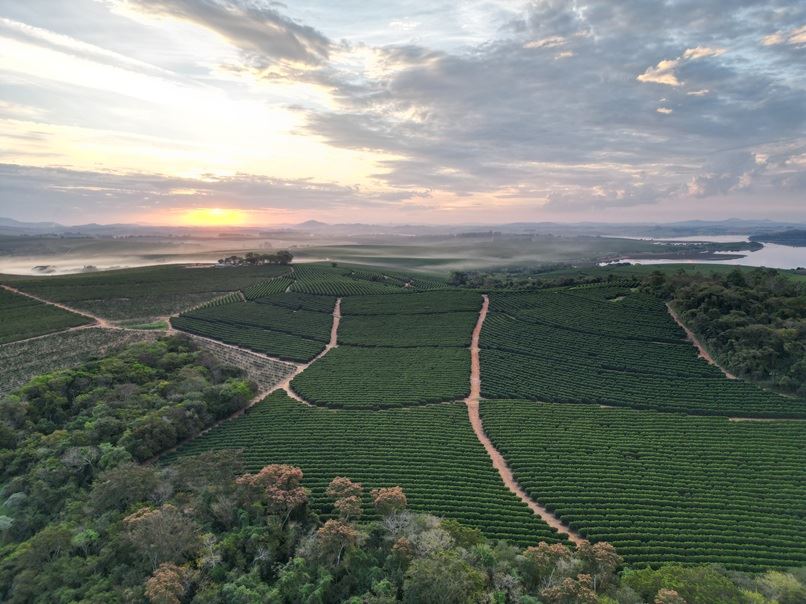
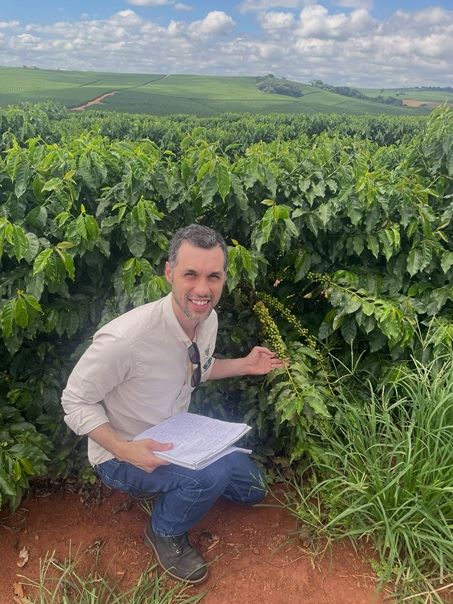
Fazenda Conquista, Ipanema Coffees, Alfenas Minas Gerais
Heading into the 2026/2027 harvest, which began in late May, many market participants believed it could become the largest crop in Brazil’s history. Although the crop is still unquestionably large, several factors prevented it from reaching its full record-breaking potential. The primary issue was untimely rain throughout the harvest, which delayed activity by about a month and raised concerns about cup quality. This was a consistent theme in Tom’s discussions, with every partner noting its effect on the first coffees received at their mills.
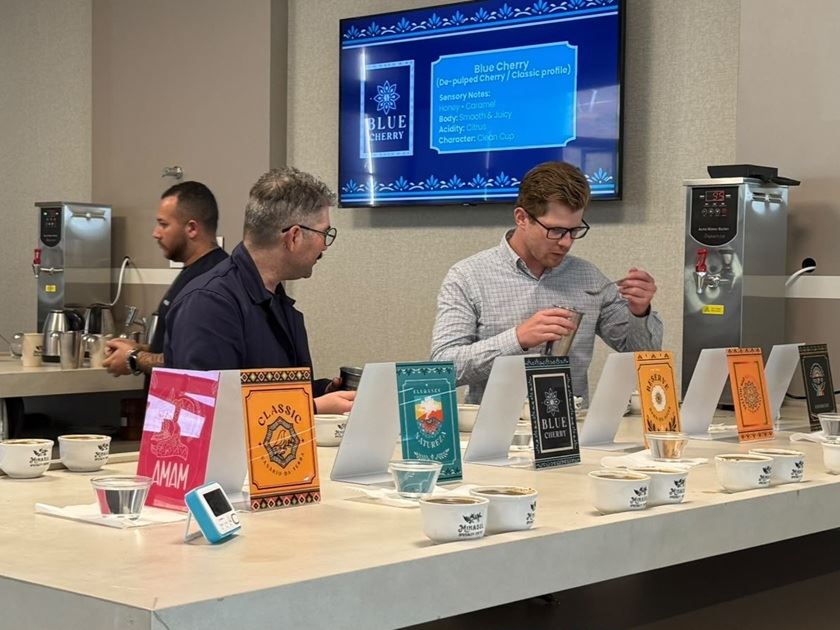
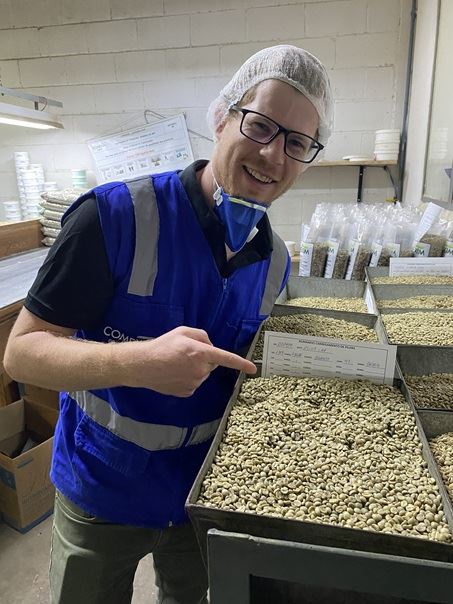
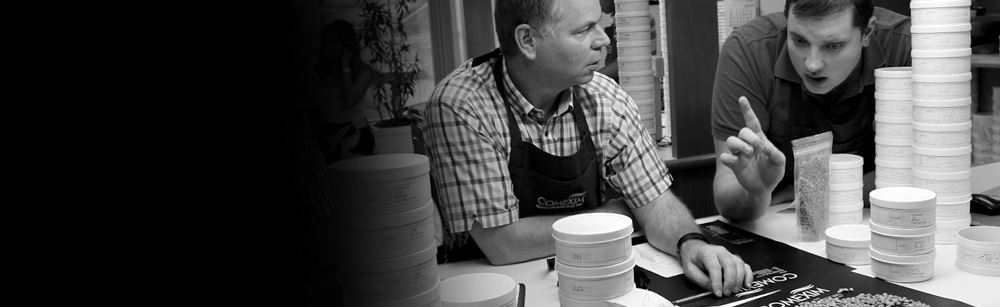
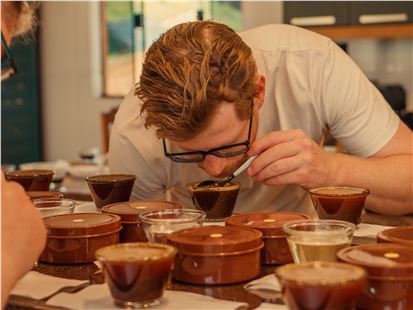
Cupping our Specialty Profiles at Minasul Coop, Varginha, Minas Gerais
Further rain later in the harvest caused cherries to fall from the trees. Producers then had to collect this coffee from the ground, further weakening the crop’s quality outlook and contributing to some yield loss. Fortunately, Brazil is a vast origin, and the weather had less impact in some localised regions. Although the untimely rain affected the quality of the 2026/2027 crop, it was generally viewed as beneficial for the development of the 2027/2028 crop. The first flowering appeared mid-September, and continued rainfall has since supported the upcoming crop. El Niño is now firmly on producers’ minds as they wait to see its effect during the summer months from December to February, when rainfall will be crucial to the crop’s development.
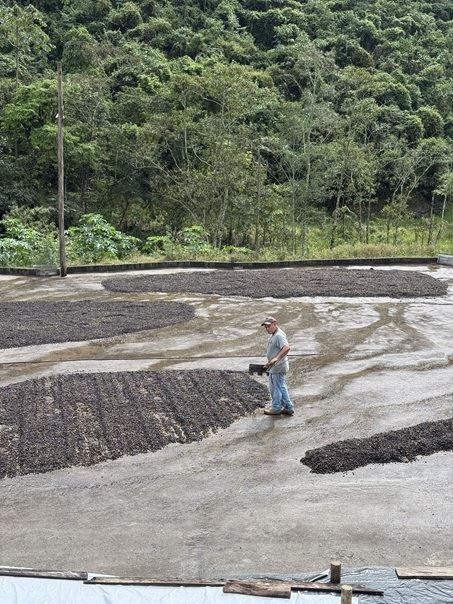
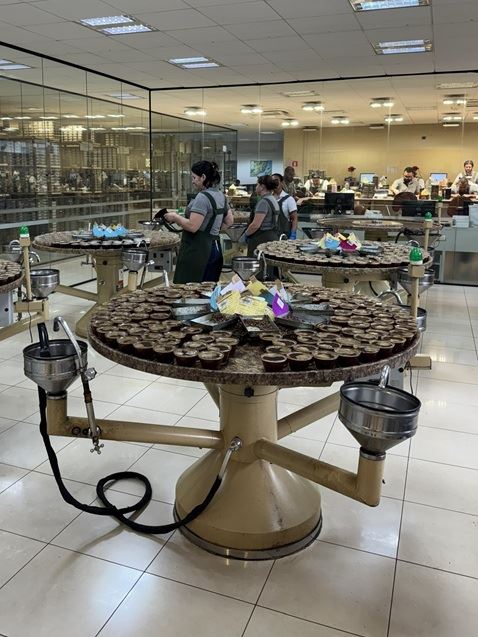
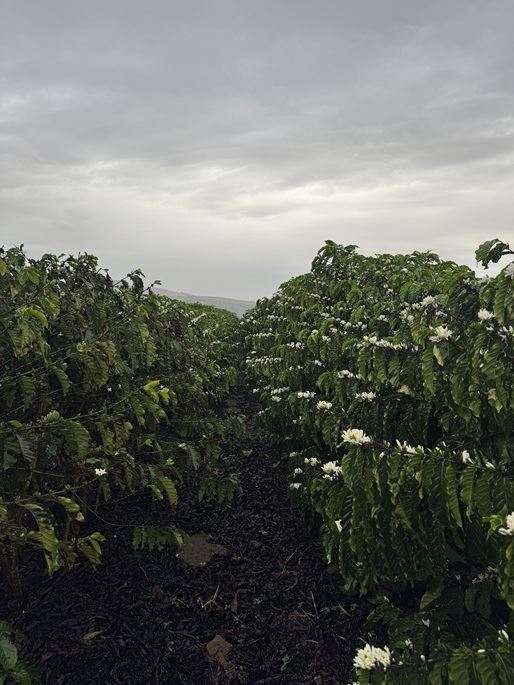
Farm in Minas Gerais Quality lab at Cooxupé, Minas Gerais
In early September, most reports mentioned that only around 40% of the harvest had been commercialised by producers. Strong prices over recent years have left many farmers well capitalised, allowing them to hold stocks and wait for better opportunities to sell. In fact, it was common to see producers investing in storage facilities on their farms in order to hold more coffee away from the market. Cooperatives reported a positive flow of coffee into their warehouses towards the end of August, although producers were generally holding out for better prices before selling their stocks. ‘Fine Cup’ qualities were particularly tightly held, as producers expect a squeeze in these qualities through early 2027 and anticipate that prices will remain elevated.
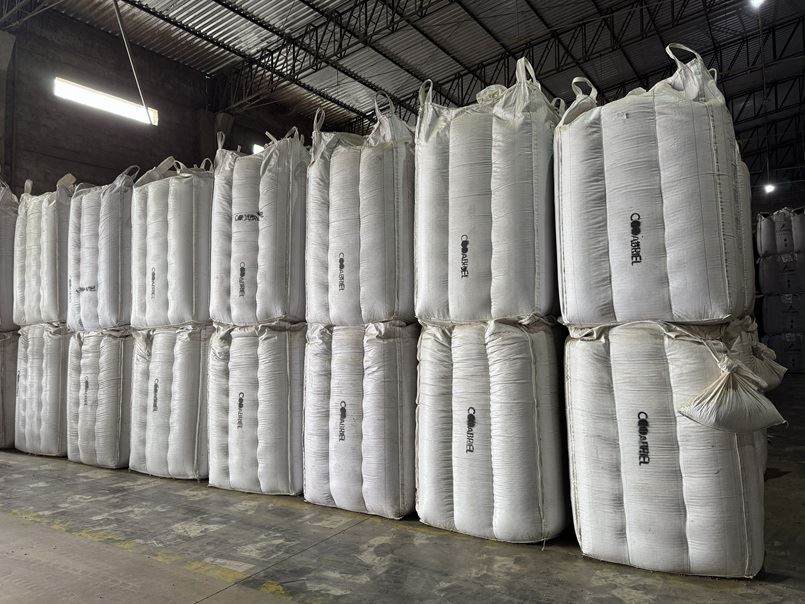
Warehouse of COOABRIEL, Espírito Santo
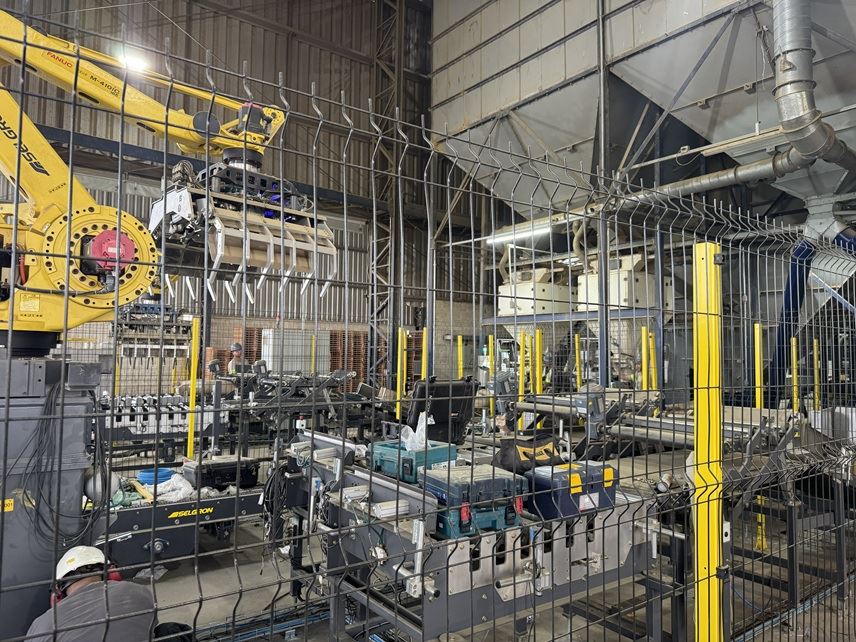
One of the most impressive developments Tom saw was the continued investment across the supply chain in Brazil, supported by stronger profits over the past five years. Greater use of irrigation, soil monitoring technology, drones and automated processing equipment, alongside expanded warehouse infrastructure are all clear to see. Sustainability initiatives, EUDR compliance and carbon tracking are also becoming a stronger focus across the industry.
Palletising Machine at Japy Facility in Guaxupe Minas Gerais
Tom’s visit to Espírito Santo, a region focused largely on the production and commercialisation of Conilon (Brazil’s Canephora), highlighted the sector’s rapid growth: extensive new plantings, widespread irrigation, improved genetics and greater investment in farm management continue to drive productivity gains. Many industry participants expect Conilon production to grow significantly over the coming years and possibly exceed 30 million of 60 kg bags by 2030. This expansion could create new export opportunities for the sector, and it was valuable to see the development first-hand.
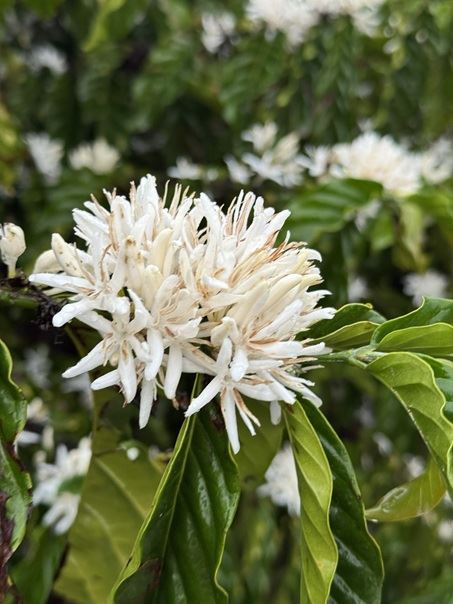
Conilon flowers in blooming at Espirito Santo
Overall, the message from origin remains constructive: coffee is available, but producer selling remains restrained, higher quality coffees continue to command firm prices, and weather will be the key market driver as attention turns to the 2027/2028 crop.
Tom and Diego during their trips in Brazil
Curious to learn more? Join us for our October Beans & Banter on Thursday, 29th October, 3:30PM-5PM at our Kew HQ. Tom, together with our Account Manager from Brazil, Diego, will share insights into the history of coffee in Brazil and the unique production style behind the world’s biggest Arabica producer. Following the presentation, we will then cup a range of coffees that highlight the diversity of Brazilian coffee across different grades and quality levels. Be prepared, there will be a tasting and knowledge quiz at the end of the session. Come along to slurp, learn, and perhaps take away a prize or two!
Please register your free spot here. |